Kelantan Rice Husk Co-op
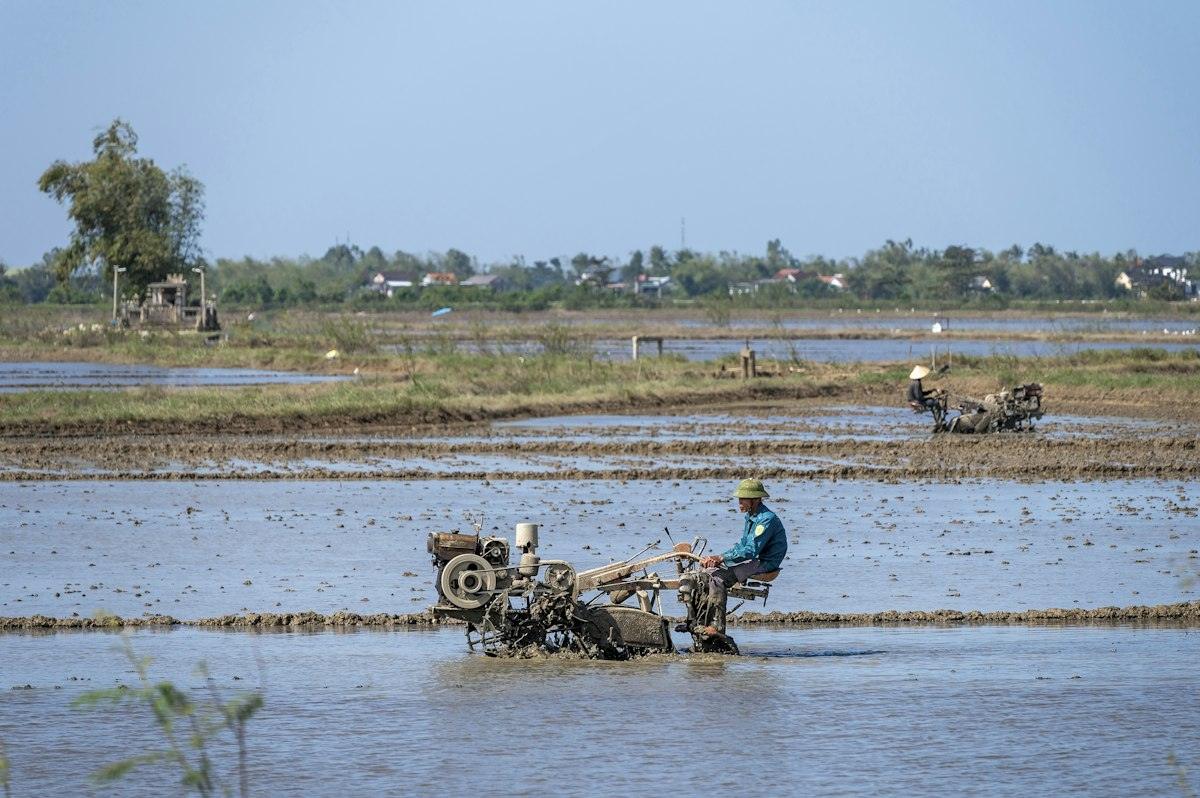
Eleven smallholder mills turning rice husk into biochar instead of burning it in the open, across 4,200 hectares of paddy.
We put instruments on the site, pay for verification we don't get to choose, and publish the whole chain — reading by reading — where anyone can open it.
Most removal figures are modelled rather than measured, reported by the people being paid for them, and signed off by auditors those same people hired. Credits are plentiful. Readings are not.
A buyer receives a tonnage figure, a methodology they cannot open, and an attestation from a firm the seller picked and paid. Every number after the first one is inherited rather than checked.

A coefficient, a land area, and an assumption about what happened underground. Change the coefficient and every tonne changes with it.
A verifier hired by the project has an interest in being invited back. Independence has to sit in the payment structure, not the promise.
Methods sit behind paywalls and raw readings never leave the developer's server. You are left with the summary.
Every site we onboard gets our hardware, calibrated by us and logging without a break. The registry pays the verifier and assigns them by rotation. The raw readings go out attached to the credit.
Four stages. Each hands the next something concrete, and each leaves a record you can open.
Instruments on the site log without a break. Soil sampling and satellite passes are checked against that site's own baseline, not a regional average.
An accredited verifier, drawn by rotation and invoiced to the registry, works through the batch and signs in public.
The batch enters the registry carrying its ID, its full reading history, and the verifier's signature.
A buyer retires it against a target. The entry is permanent, public, and can only be spent once.
The science differs, the timelines differ, the price differs. What we require before a credit is issued does not.
Crop residue is pyrolysed into a stable carbon and worked into the soil. It resists decomposition for 500–1,000 years, and the fields hold water better for it.
Crushed basalt is spread across farmland, where rainwater and atmospheric CO₂ turn it into stable bicarbonate that drains toward the ocean. The same weathering that regulates the climate, run faster.
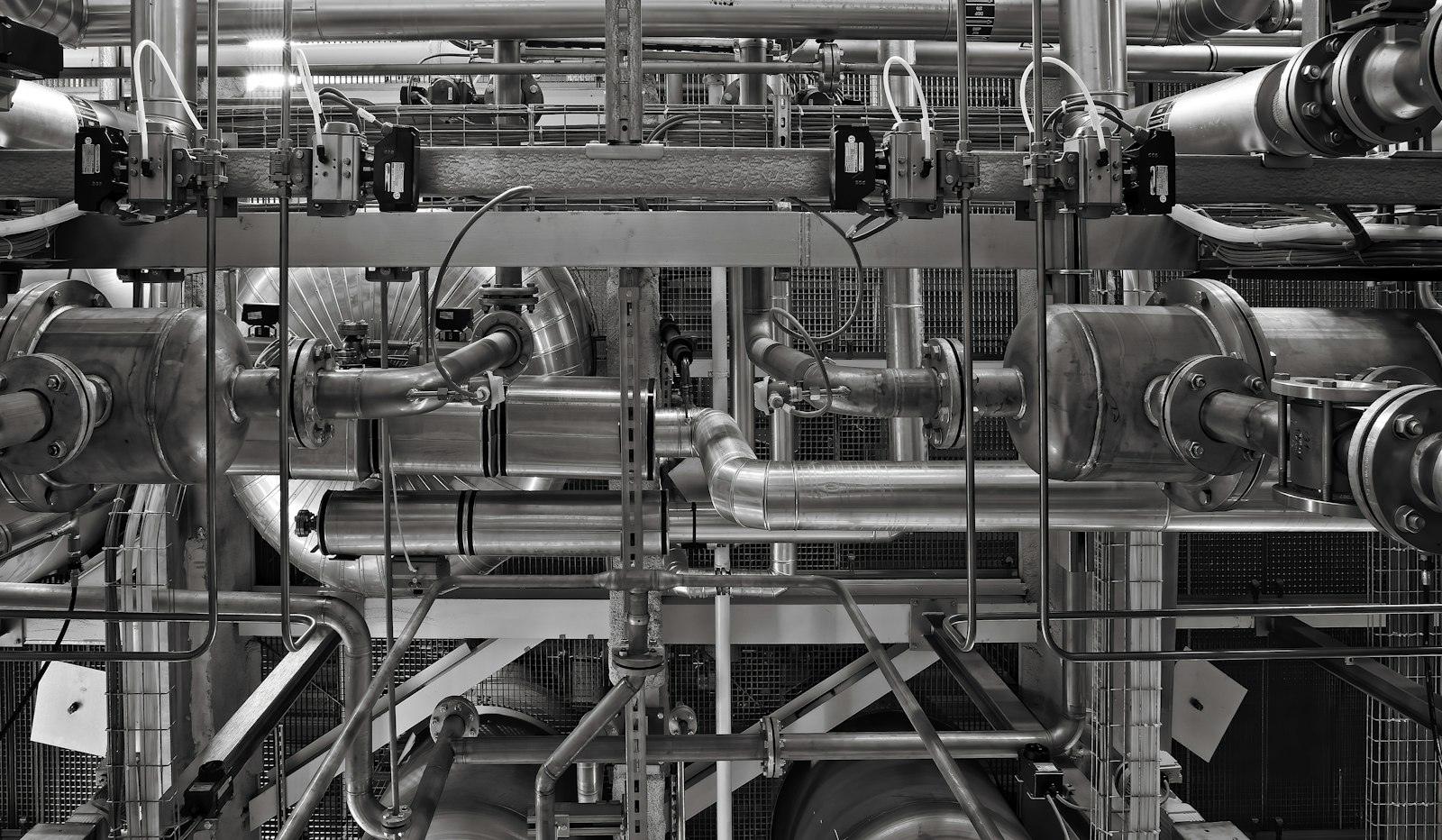
Industrial filters pull CO₂ straight out of ambient air. It is injected into basalt, where it mineralises into carbonate within about two years.
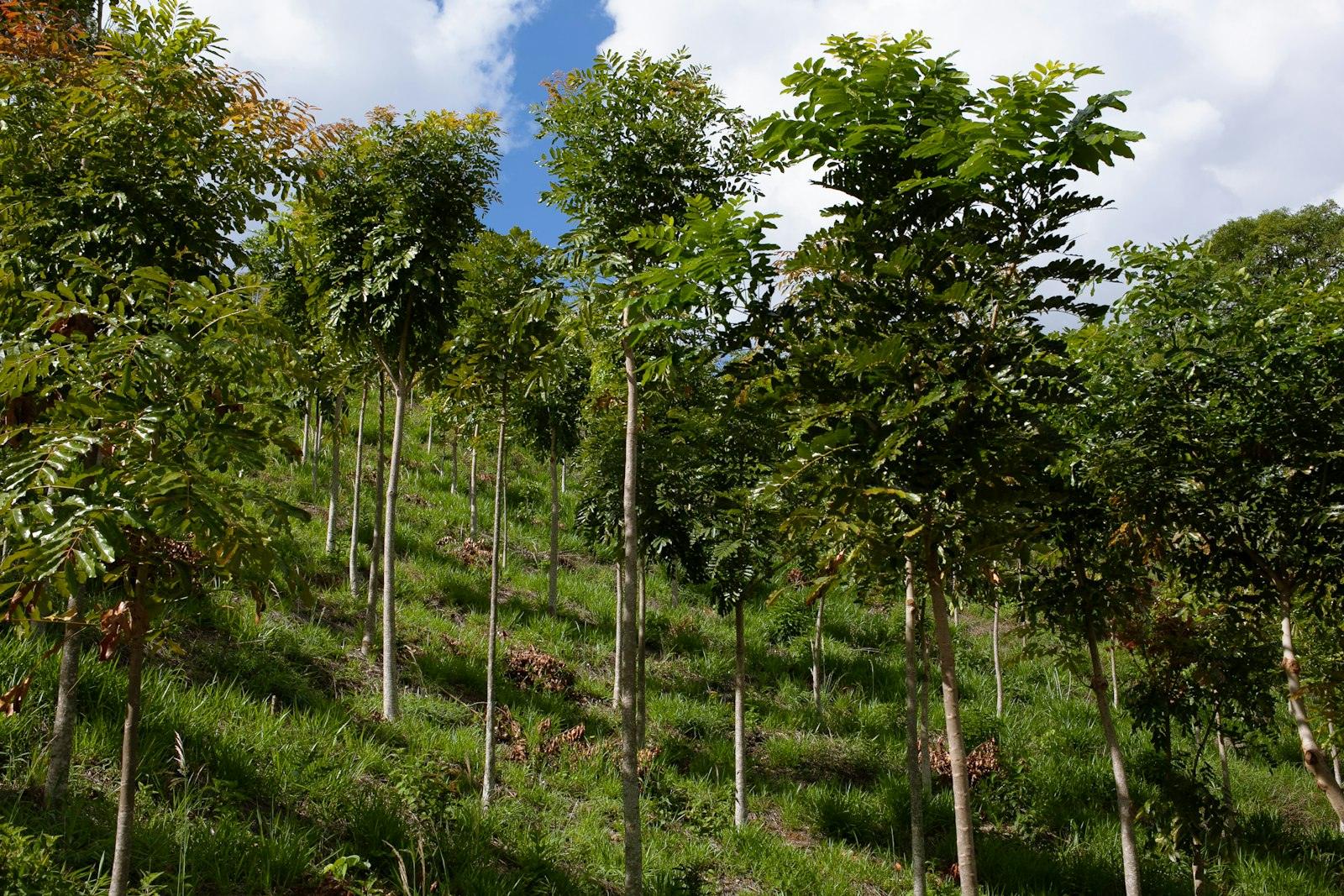
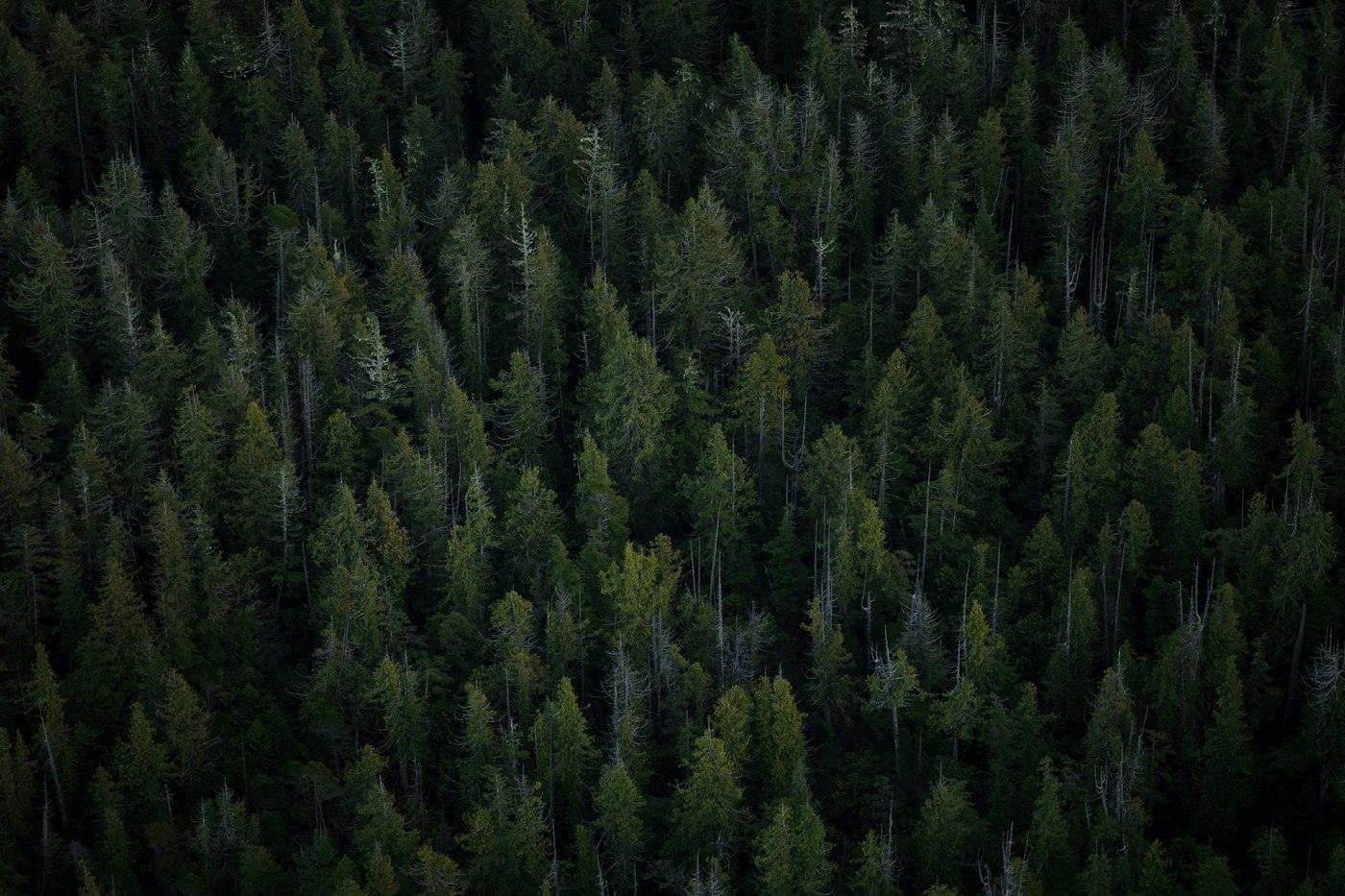
Native species replanted on degraded land, measured by LiDAR and walked ground plots. A buffer pool and long stewardship contracts cover the reversal risk.
Each of these publishes its raw readings. Hover for the numbers.
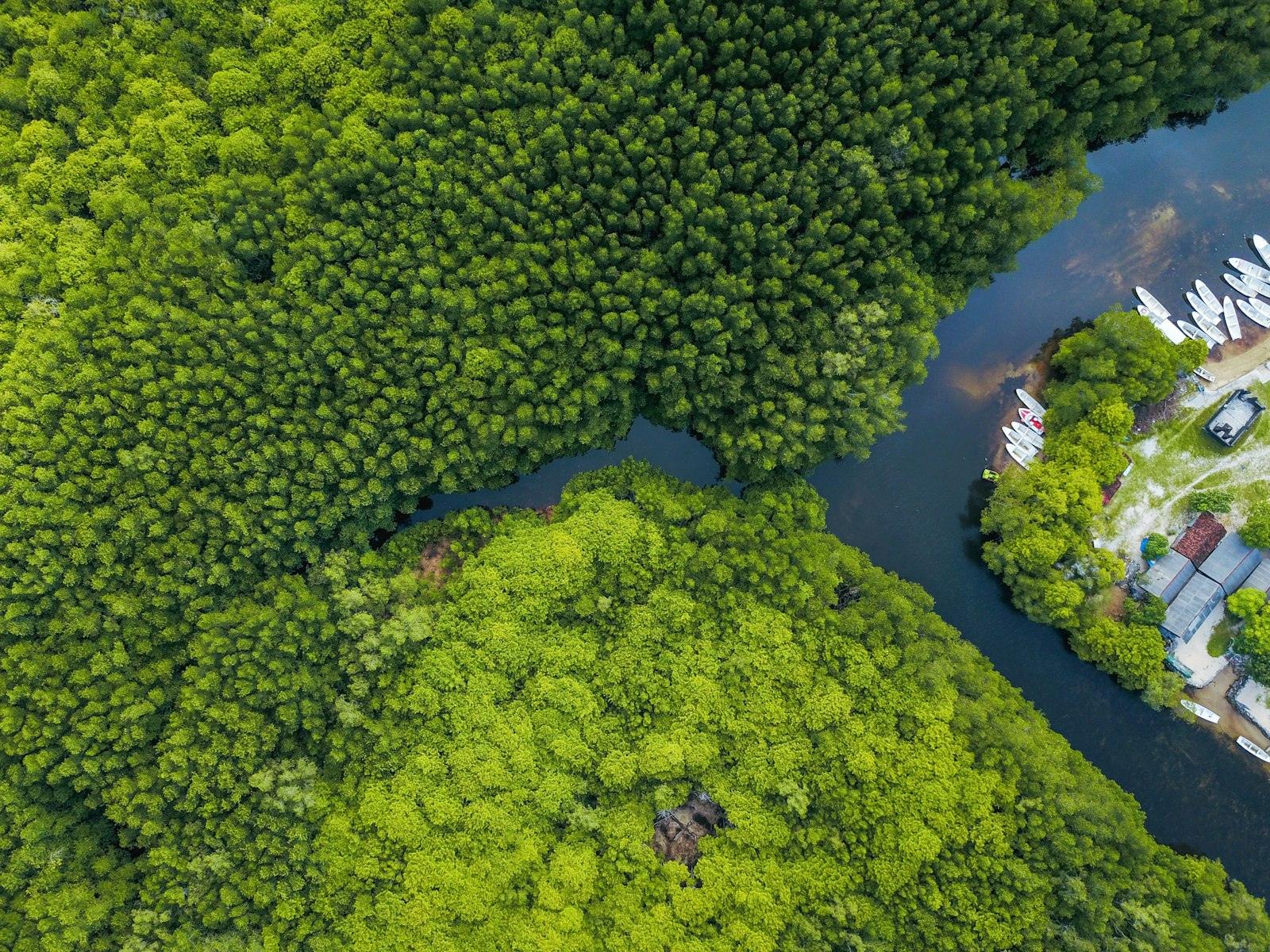
Eleven smallholder mills turning rice husk into biochar instead of burning it in the open, across 4,200 hectares of paddy.
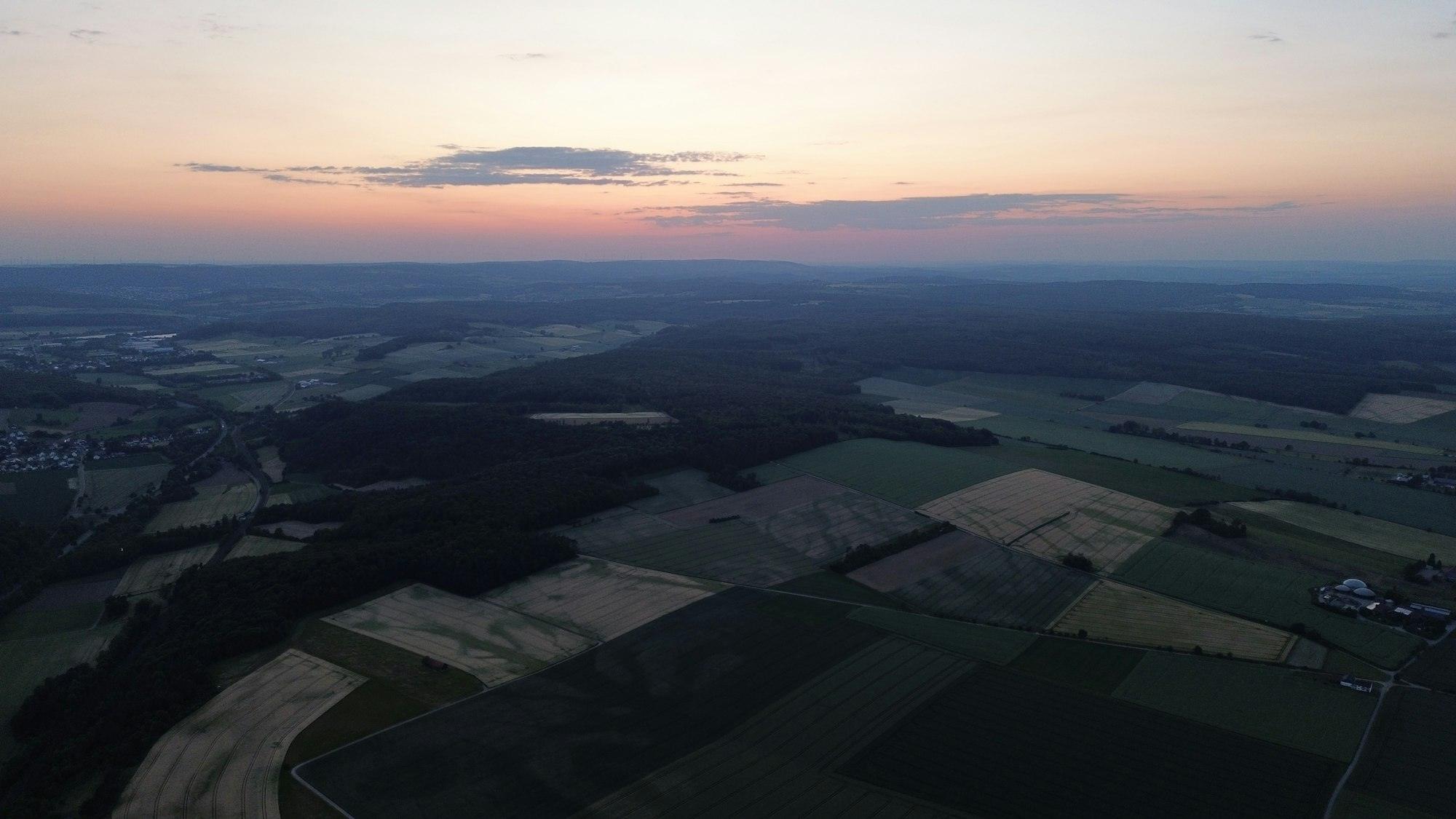
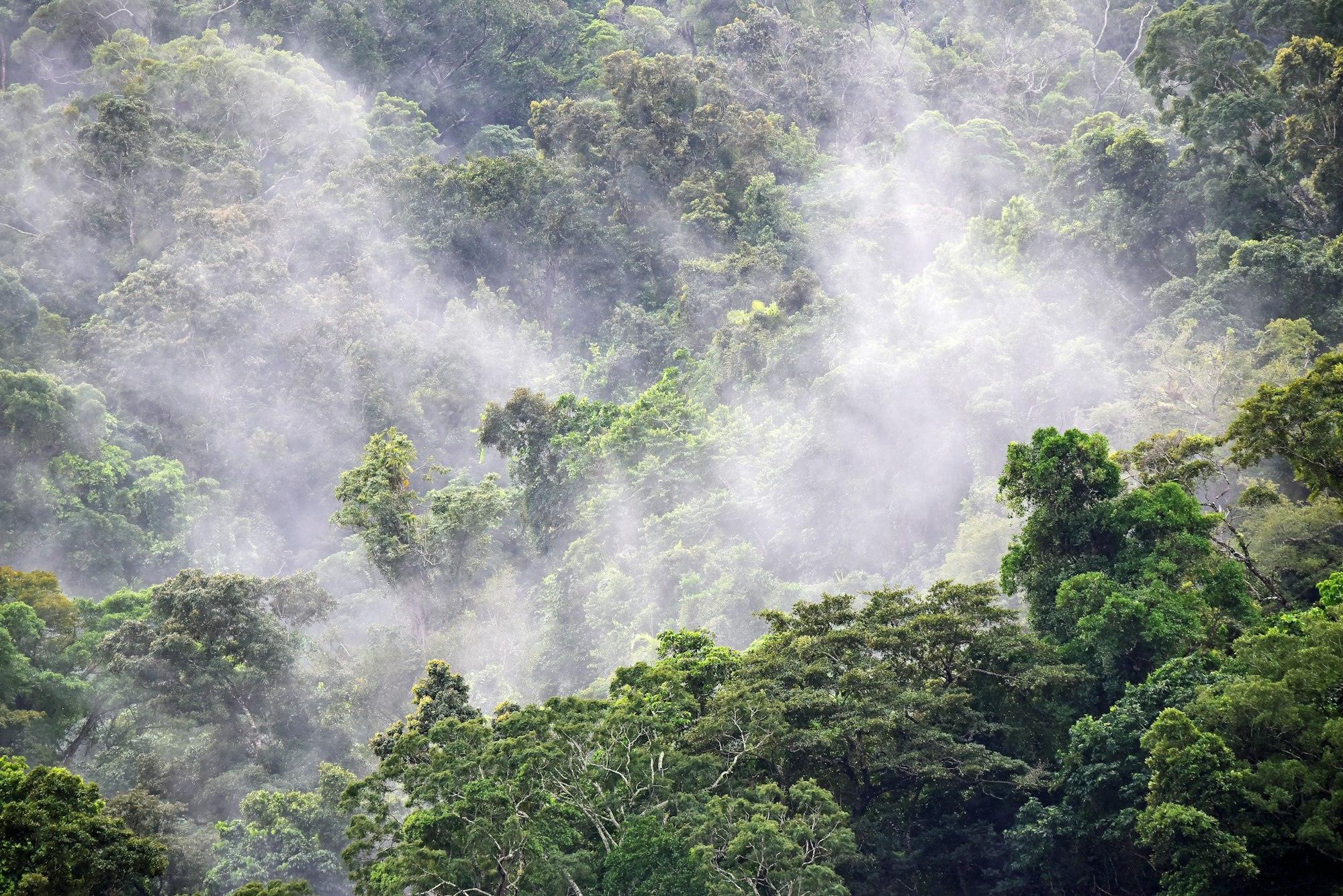
Native dipterocarp replanted on spent logging concessions. Drone LiDAR every quarter, stewardship held by the communities living there.
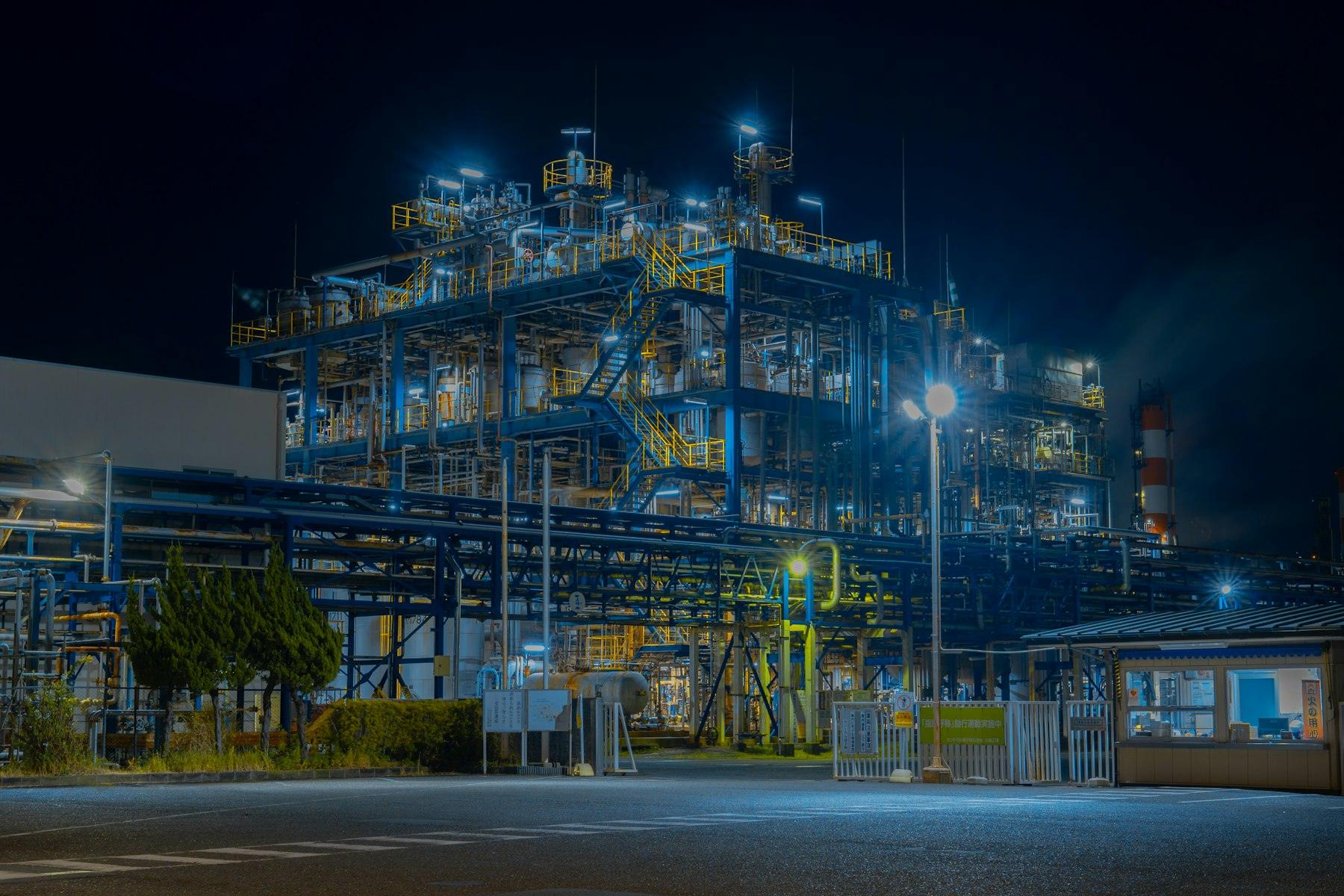
Geothermal-powered capture with basalt injection. Core samples confirm the CO₂ has turned to carbonate inside 24 months.
Every credit we issue carries its own history: the instrument that measured it, the verifier who signed it, the version of the method applied, and the coordinates of the site it came from.
Your auditor can follow any tonne in your portfolio back to the ground without sending us a request. Nothing about the check depends on us cooperating.
See the buyer side →Our auditor asked which instrument produced a number. Carbonland was the first platform where somebody could just answer that, same day, without a call.
Sites that can show their readings get better prices and longer contracts. The measurement is the thing buyers are paying for.
Boards, auditors and journalists all ask the second question. Build a portfolio where the answer is already sitting in the record.
A normal registry files what the developer sends it. We produce the measurement ourselves, on hardware we install and maintain, hand the audit to a verifier chosen by rotation, and publish the raw readings with the credit. Recording it is the last step here, not the whole job.
We do, out of a pooled fee taken at issuance. A developer never picks their verifier and never pays one, and verifiers rotate between sites. The separation is in the plumbing rather than in a policy document.
We only issue against removals the instruments recorded, so a shortfall means fewer credits rather than thin ones. On the biological pathways a buffer pool, funded by a slice of every issuance, covers buyers if a reversal is confirmed.
The methods are written against the ICVCM Core Carbon Principles, and the claims guidance we give buyers follows the VCMI Claims Code. Retirement records are structured for GHG Protocol reporting and the incoming EU CRCF. Ask us and we'll send the mapping for each.
Yes, and we would rather you did. Site access is written into every offtake agreement. We arrange the visit with the developer, and if you want the technical version, with the verifier who audits the site.
Spot starts at 100 tonnes. Multi-year offtake, where most of the price advantage sits, usually starts at 1,000 tonnes a year. If a smaller volume would be better served somewhere else, we will say so.
Get started
Tell us whether you're removing the carbon or reporting it, and we'll walk you through the part of this that applies to you.